Crab Embroidery Design Review
The Crab machine embroidery design offers a unique visual identity that can elevate small business merch, branded patches, and custom apparel. As an experienced embroidery designer, I’ve evaluated this piece for its versatility, clarity, and effectiveness in real-world applications. Whether you're creating embroidered patches, apron embroidery, or tote bag design, the Crab design has potential—but it requires careful consideration to maximize its impact.
First Impressions of the Crab Design
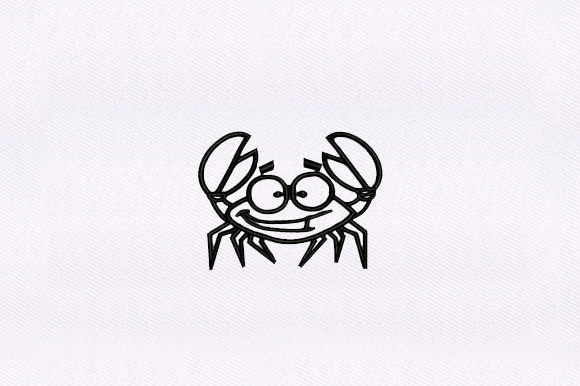
The Crab design exudes a playful yet professional vibe. Its clean lines and recognizable shape make it ideal for businesses aiming to convey approachability and creativity. The design feels modern and adaptable, making it suitable for both handmade product branding and commercial embroidery projects. While it’s categorized as Fish, the design doesn’t feel overly literal or complex—it strikes a balance between artistic expression and practical use.
As a digital embroidery file, the Crab design is likely structured with clear outlines and minimal detailing, which makes it easier to adapt across different fabric types and embroidery techniques. It’s not a high-stitch-density design, which is a plus for small patch sizes and cap embroidery where space is limited.
Real-World Business Use of the Crab Design
Small business owners, Etsy sellers, and crafters will find the Crab design useful for a variety of merchandise. It works well as an embroidered patch for staff uniforms, a chest logo accent on work shirts, or a sleeve detail on custom apparel. Its simplicity also makes it a great option for tote bag design and apron embroidery, where bold, recognizable graphics are essential.
The design can serve as a brand identity element, especially for businesses with a coastal, seafood, or nature-themed aesthetic. It adds a touch of whimsy without being overwhelming, making it a good fit for boutique merchandise, customer gifts, and event merch. For handmade brands, the Crab design can be a signature element that reinforces visual consistency across all product lines.
When used in commercial embroidery projects, the Crab design maintains a level of professionalism. It’s easy to adjust for different sizes and placements, whether it’s a small patch on a cap front or a larger emblem on a tote bag. Its simplicity ensures that it remains legible even at smaller scales, which is important for items like product packaging accents or branded product add-ons.
Where to Use the Crab Design with Caution
While the Crab design is versatile, there are certain applications where it may not perform as well. For instance, at very small patch sizes, the details may become too compressed, leading to a loss of clarity. If you’re planning to use it on a cap front or curved surface, consider how the design will look when stretched or bent.
High stitch density can cause issues with textured fabrics or dark uniforms, so it’s important to test the design on the intended material before mass production. Tiny lettering or detailed outlines could be problematic if the design isn’t scaled appropriately. Always review thread colors for contrast, especially on darker backgrounds, and ensure that the spacing between elements is consistent for a polished finished product.
Impact on Brand Identity and Customer Engagement
The Crab design contributes to a strong brand identity when used consistently across all merchandise. It helps build recognition, especially for businesses targeting customers who value creativity, nature, or artisanal craftsmanship. A well-executed embroidered patch or custom apparel with the Crab design can enhance customer trust and reinforce the perception of a premium, handmade product.
For small business merch, the design adds visual interest without overpowering other elements. It’s particularly effective when paired with other design assets, such as logos or slogans, to create a cohesive look. When used in printable mockups, the Crab design can help clients visualize the final product before committing to production.
Its playful nature also encourages buyer engagement, especially for Etsy sellers or craft businesses looking to stand out in a competitive market. The design’s simplicity allows for easy customization, making it a flexible choice for different branding needs.
Practical Tips for Using the Crab Design
Before using the Crab design for your next project, follow these best practices:
- Test the design in black and white first to assess its clarity and proportion.
- Check how it looks at small patch size to ensure it remains readable.
- Review thread color contrast, especially for dark uniforms or textured fabrics.
- Inspect spacing between elements to avoid overcrowding or distortion.
- Confirm the hoop size required for your machine to ensure compatibility.
- Test on real fabric to see how it interacts with the material’s texture.
- Use the proper stabilizer to prevent puckering or shifting during stitching.
- Create a printable mockup for client approval before moving to production.
- Compare the design beside other design assets to maintain visual consistency.
- Verify commercial licensing terms before using the design for business purposes.
By following these steps, you can ensure that the Crab design meets your quality standards and aligns with your brand’s visual language. Whether you're working on an apron embroidery project, a cap embroidery design, or a tote bag design, the Crab machine embroidery design has the potential to become a valuable addition to your collection of digital embroidery files.