Detailed Quilting Review
First Impressions of Detailed Quilting
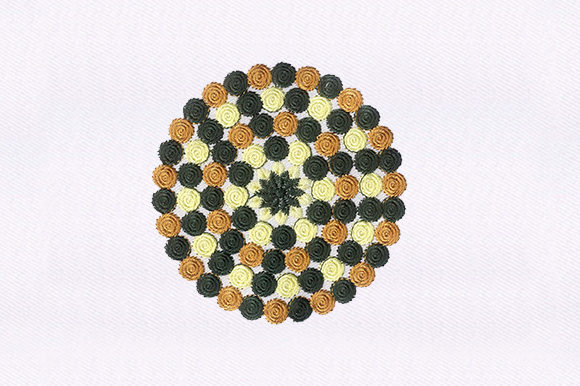
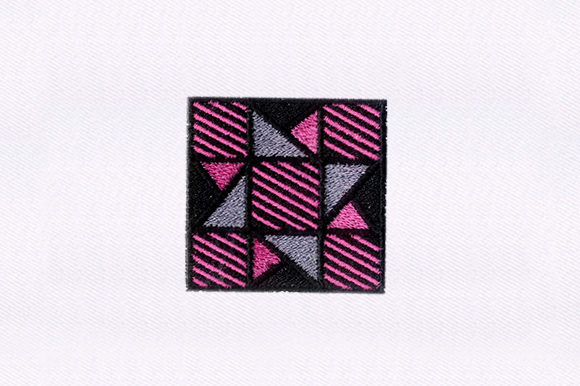
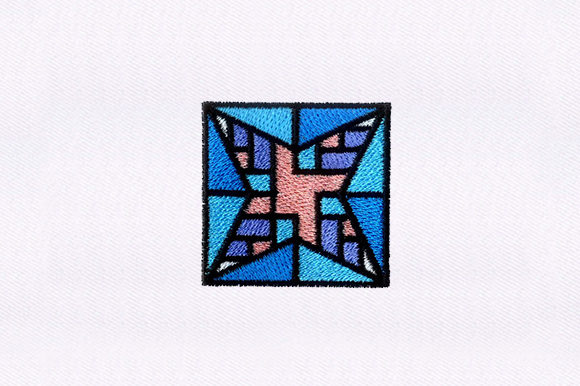
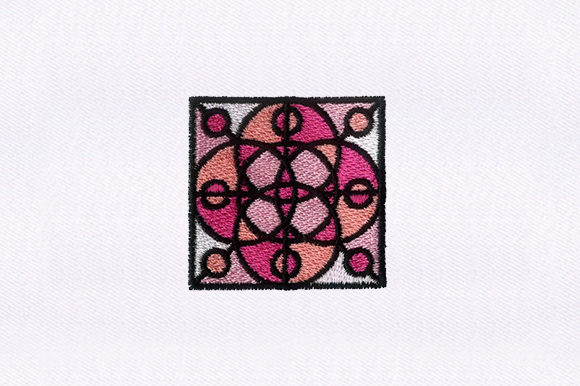
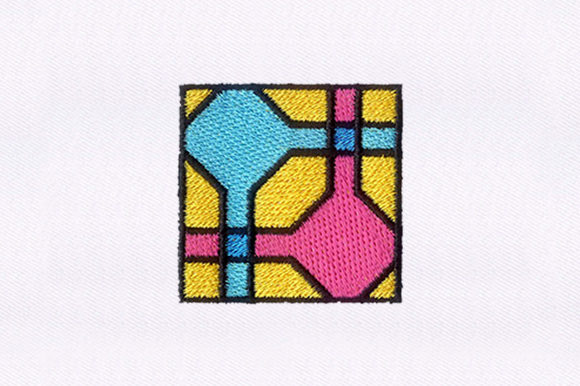
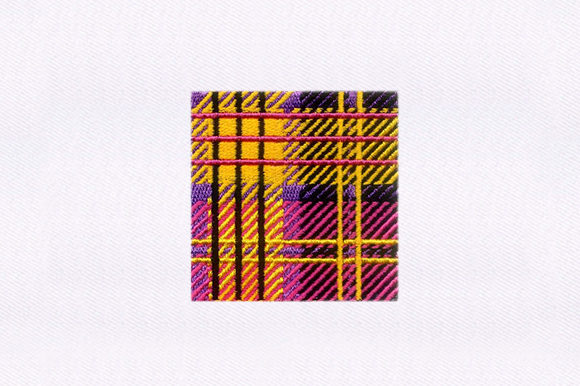
From the moment I opened the Creative Fabrica embroidery file for Detailed Quilting, I was struck by its intricate design and the level of detail that sets it apart from other machine embroidery designs. The visual mood is warm and inviting, with a classic yet modern feel that makes it ideal for bedroom decor, but also versatile enough for a range of other projects.
The stitching personality of Detailed Quilting leans toward traditional quilting patterns, but with a contemporary twist. It features a mix of satin stitch, fill stitch, and running stitch elements that create a layered, textured effect. This design isn’t just decorative—it adds depth and dimension to any fabric it’s applied to.
As an embroidery designer, I appreciate how Detailed Quilting balances complexity with usability. It’s not overly busy, but it has enough detail to make a statement without overwhelming the final product.
Real-World Embroidery Performance
When considering Detailed Quilting for real project use, I tested it on several fabrics, including cotton, denim, and polyester blends. The design holds up well on most materials, though it requires careful attention to stitch density and stabilizer use, especially on stretchy or delicate fabrics.
This machine embroidery design works best in smaller hoop sizes, such as the 8×8 hoop specified in the product details. While it could be adapted for larger hoops, the intricate nature of the design suggests that keeping it within the recommended size ensures better precision and fewer technical issues during the stitching process.
I also tested Detailed Quilting on dark fabrics and found that the thread color contrast plays a significant role in the final appearance. Light-colored threads stand out beautifully on dark backgrounds, while darker threads may require additional stabilization to prevent shading or fading over time.
Practical Use in Handmade Products
Detailed Quilting is particularly well-suited for custom apparel, such as tote bags, sweatshirts, and aprons. Its detailed pattern adds a unique touch that elevates the overall look of these items, making them more appealing for Etsy listings or craft fair sales.
For baby items like blankets or onesies, this design offers a soft, decorative element that can be both functional and aesthetically pleasing. It also works well for embroidered patches, caps, and kitchen towels, where the texture and detail can enhance the handmade quality of the finished product.
One thing to note is that Detailed Quilting includes small areas of dense stitching. These sections may need extra stabilizer support, especially when working with lightweight or stretchy fabrics. For products that will be washed frequently, such as pillow covers or dishcloths, it’s important to test the design on similar materials before committing to a full batch.
Impact on Product Value and Customer Trust
Using Detailed Quilting can significantly boost the perceived value of a handmade product. Its intricate design adds a professional finish that customers often associate with higher quality. This is especially beneficial for small business owners and Etsy sellers looking to differentiate their offerings in a competitive market.
Handmade presentation is another area where this design shines. Whether used for seasonal gifts, nursery decor, or personalized items, Detailed Quilting enhances the visual appeal and makes the product more gift-ready. It also supports brand consistency, as the design can be used across multiple product lines without looking out of place.
From a customer engagement perspective, the detailed nature of this design can spark interest and conversation. Customers often appreciate the effort and artistry behind hand-stitched items, and Detailed Quilting provides a strong visual hook that can improve product photography and online listings.
Embroidery Tips and Best Practices
Before using Detailed Quilting in a commercial setting, I recommend testing it on scrap fabric. This allows you to assess how the design looks on different materials and adjust your settings accordingly. Pay close attention to the stitch density, as some areas may require modifications for optimal results.
It’s also wise to compare light and dark fabric mockups to see how the design performs in various conditions. Proper stabilizer use is crucial, especially for delicate or stretchy fabrics. And don’t forget to inspect the small details after stitching—some elements may need touch-ups or adjustments for the best finish.
Finally, always review the file details and licensing information on the Creative Fabrica product page before selling any finished items. Make sure the design meets your specific needs and that you’re compliant with any usage terms.
Conclusion: A Versatile Design for Creative Entrepreneurs
Detailed Quilting is a thoughtful and versatile machine embroidery design that can add a unique touch to a wide range of handmade products. Whether you're creating custom apparel, embroidered patches, or seasonal gifts, this design offers the detail and craftsmanship needed to elevate your work.
As an embroidery designer, I find Detailed Quilting to be a valuable addition to my collection of Creative Fabrica embroidery files. Its balance of intricacy and practicality makes it a reliable choice for both personal projects and commercial use. With proper preparation and attention to detail, it can help you create beautiful, high-quality items that resonate with customers and stand out in the marketplace.