Tumbling Honey Bee
First Impressions of Tumbling Honey Bee
The Tumbling Honey Bee design immediately caught my eye with its playful and whimsical style. It’s a machine embroidery design that feels both charming and professional, making it perfect for a wide range of projects. The visual mood is light and cheerful, ideal for baby items, children’s clothing, or any handmade product that needs a touch of personality.
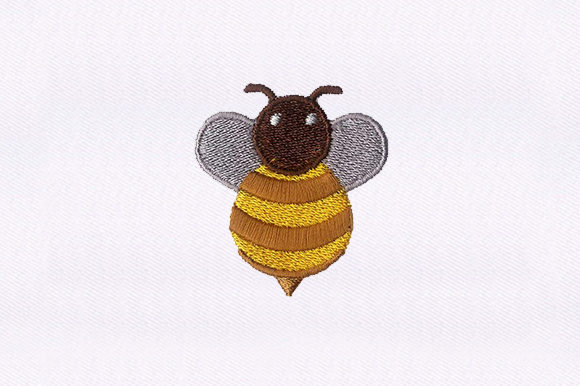
The detail level is impressive. The bee’s wings are delicately shaped, and the body has a soft, rounded look that adds to its appeal. The stitching personality is clean and precise, with a mix of satin stitch and fill stitch that gives it a polished finish. This design would work well as an applique design or as a standalone piece on fabric.
For embroidery designers and small business owners, Tumbling Honey Bee offers a versatile option that can be used in multiple ways. Whether you're creating custom apparel, embroidered patches, or seasonal gifts, this design has the potential to elevate your product line.
Real-World Embroidery Performance
When considering real project use, Tumbling Honey Bee fits naturally into several categories. Its 6×6 hoop size makes it ideal for small to medium-sized items like tote bags, sweatshirts, and aprons. However, it’s important to note that the design may require careful placement if working on curved surfaces like caps or pillow covers.
The design includes some intricate details, such as small areas of running stitch and satin stitch. These elements add texture and dimension but also mean that the stitch density is relatively high. This could affect how the design performs on stretchy or textured fabrics, so testing on scrap fabric before final use is always recommended.
For commercial embroidery projects, Tumbling Honey Bee can be a valuable addition to your design assets. Its simplicity and charm make it suitable for personalized gifts, handmade products, and even printable mockups that can be used in Etsy listings or craft fair displays.
Practical Use and Considerations
One of the key factors to consider when using Tumbling Honey Bee is the hoop size. At 6×6 inches, it’s manageable for most embroidery machines, but if you’re working on larger items, you may need to split the design or adjust the placement accordingly.
The design also includes some tiny lettering or fine details, which can be challenging on dark fabrics. Ensuring proper thread color contrast is essential to maintain visibility. For example, using a lighter thread on a dark background will make the design stand out more effectively.
Stabilizer choice is another critical consideration. Since Tumbling Honey Bee has dense stitch areas, using a good quality stabilizer will help prevent puckering or distortion, especially on stretchy fabrics like cotton or jersey knit.
For frequent washing, it’s important to ensure that the design is securely stitched and that the fabric is pre-washed if necessary. This helps maintain the integrity of the finished product and ensures that the design remains vibrant over time.
Enhancing Product Value and Customer Trust
Tumbling Honey Bee can significantly impact the value of your handmade products. A well-executed embroidery design not only looks great but also adds a level of craftsmanship that customers appreciate. This design can help build buyer trust by offering a visually appealing and professionally executed element to your merchandise.
When it comes to brand consistency, Tumbling Honey Bee provides a cohesive look that can be used across multiple products. Whether you're creating a line of baby clothes, kitchen towels, or embroidered patches, this design maintains a consistent aesthetic that aligns with your brand identity.
From a marketing perspective, Tumbling Honey Bee is highly giftable. Its cute and recognizable design makes it a popular choice for personalized gifts, especially during holidays or special occasions. This can also boost customer engagement, as buyers are more likely to share their purchases on social media or leave positive reviews.
Embroidery Tips and Best Practices
Before using Tumbling Honey Bee in a commercial project, I recommend testing it on scrap fabric. This allows you to assess how the design looks on different materials and identify any potential issues early on.
Reviewing the stitch density is also important. If the design appears too dense, you may need to adjust the settings or choose a different thread weight to achieve the desired effect. Confirming the hoop size and file details on the Creative Fabrica product page is essential to ensure compatibility with your embroidery machine.
When working with dark fabrics, comparing light and dark fabric mockups can help you determine the best thread colors for visibility. Using proper stabilizer and inspecting small details after stitching will help ensure that the finished product meets your expectations.
Finally, always confirm the licensing terms on the Creative Fabrica product page before selling finished items. This ensures that you’re compliant with any restrictions or requirements related to the use of the design.