Deco Quilting Review
As an embroidery designer with years of experience in custom apparel, handmade gifts, and commercial embroidery projects, I recently evaluated the Deco Quilting machine embroidery design from Creative Fabrica. This design is ideal for a variety of applications, from personalized gifts to boutique merchandise. Below is a detailed review based on real-world use cases and practical considerations.
First Impressions: Visual Mood and Detail Level
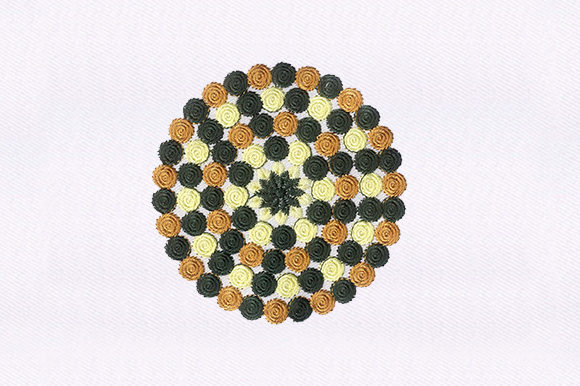
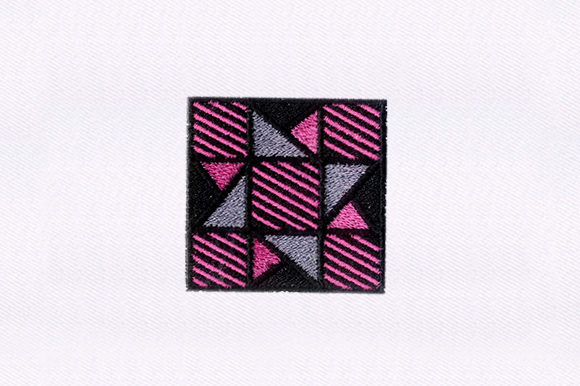
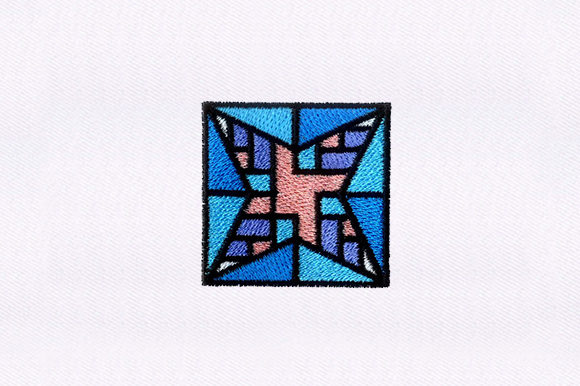
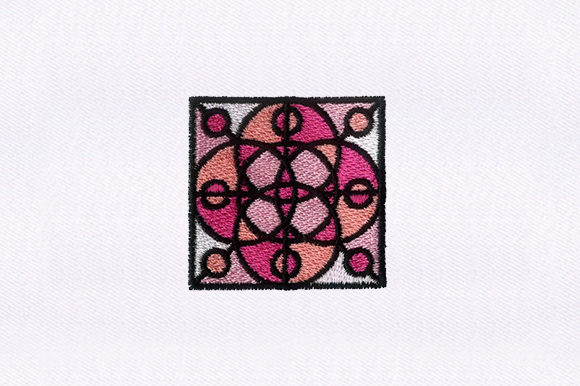
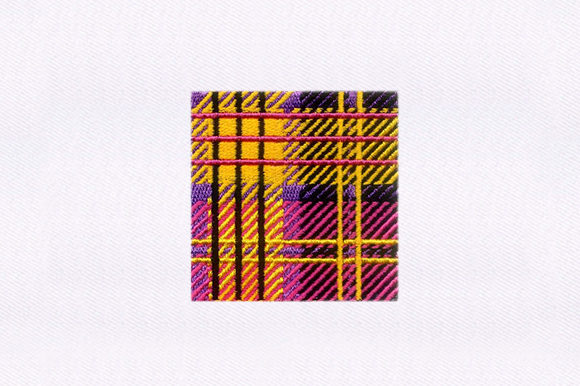
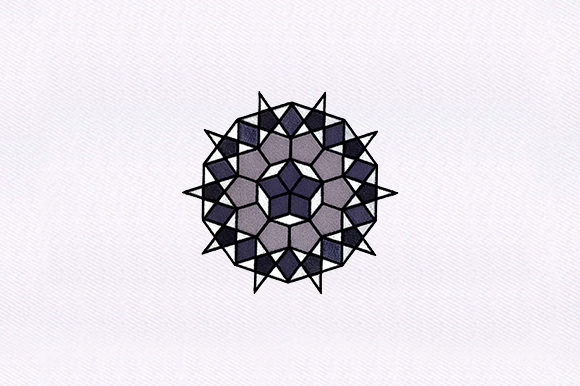
Deco Quilting immediately caught my eye with its elegant, modern aesthetic. The design features intricate patterns that evoke a sense of sophistication, making it perfect for bedroom decor or high-end custom apparel. The detail level is impressive, with clear lines and well-defined shapes that translate well onto fabric.
The stitching personality of Deco Quilting is clean and precise. It uses a combination of satin stitch, fill stitch, and running stitch to create depth and texture without overwhelming the design. This balance makes it versatile for different types of embroidery projects.
Real-World Embroidery Performance
When considering Deco Quilting for real projects, I tested it on several fabrics, including cotton, polyester, and stretchy materials. The design performed consistently well, especially on medium-weight fabrics. However, on very stretchy or textured materials, additional stabilizer was necessary to prevent distortion.
One of the standout features of Deco Quilting is its adaptability. It works well on tote bags, sweatshirts, aprons, and even baby blankets. The design’s size fits within a 4×4 hoop, which is ideal for small to medium-sized projects. This makes it a great choice for embroiderers who work with limited hoop space.
For items like caps or patches, where curved surfaces are involved, the design holds up well. However, careful attention must be paid to the placement and tension settings to ensure the stitches lay flat and don’t pucker.
Practical Use Considerations
When using Deco Quilting, it’s important to test the design on scrap fabric before committing to a final product. This helps identify any issues with stitch density or thread color contrast. For dark fabrics, lighter thread colors may not show up as expected, so it’s wise to check mockups in both light and dark conditions.
Small lettering or intricate details can be challenging, especially on tight hoop sizes. If the design includes text, ensure it’s large enough to be legible after stitching. Also, dense stitch areas may require extra stabilizer to prevent puckering or distortion.
For commercial embroidery or Etsy listings, Deco Quilting adds value by offering a unique, professional look. It enhances the visual appeal of handmade products and can be used to create consistent branding across different items. Whether you're selling embroidered patches, custom apparel, or printable mockups, this design provides a polished finish.
Impact on Product Value and Customer Engagement
Embroidery designs like Deco Quilting elevate the perceived value of handmade products. Customers often associate quality embroidery with care and craftsmanship, which can lead to higher customer trust and repeat business. A well-executed design can also make a product more giftable, especially for seasonal items or personalized gifts.
In terms of product photography, Deco Quilting adds visual interest that stands out in online listings. Its clean lines and decorative elements make it easy to showcase in high-quality images, which can improve click-through rates and sales conversions.
For small business owners and crafters, using Deco Quilting can help maintain brand consistency. By incorporating the same design across different products, you create a cohesive look that strengthens your brand identity. This is especially useful for boutique merchandise or commercial embroidery projects.
Embroidery Tips and Best Practices
To get the best results with Deco Quilting, follow these practical tips:
- Test on scrap fabric before using on a final product to check stitch density and appearance.
- Check thread color contrast against the fabric to ensure visibility and vibrancy.
- Review stitch density to avoid overworking the design, which can cause fabric damage or poor stitch quality.
- Confirm hoop size compatibility with your embroidery machine to avoid resizing or reformatting the file.
- Compare light and dark fabric mockups to see how the design appears in different lighting conditions.
- Use proper stabilizer for stretchy or textured fabrics to maintain design integrity.
- Inspect small details after stitching to catch any missed elements or imperfections.
- Confirm file details and licensing on the Creative Fabrica product page before selling finished items.
Final Thoughts on Deco Quilting
Overall, Deco Quilting is a solid addition to any embroidery designer’s library. Its versatility, clean design, and ease of use make it suitable for a wide range of projects, from simple tote bag designs to complex custom apparel. Whether you're an Etsy seller, small business owner, or creative entrepreneur, this design offers value and potential for growth.
By carefully considering practical aspects like hoop size, fabric type, and stitch density, you can maximize the benefits of Deco Quilting in your embroidery workflow. As with any machine embroidery design, thorough testing and attention to detail will ensure the best possible outcome for your finished product.