Devil with Cape Bluework: A Designer's Review
As an embroidery designer who has spent years refining digitizing techniques for boutique apparel, I approach every new machine embroidery design with a critical eye. It is not just about whether the image looks cute on a screen; it is about how that digital embroidery file translates into thread on fabric. Recently, I evaluated the Devil with Cape Bluework for an upcoming limited-run sweatshirt drop for a small online shop. This review breaks down the aesthetic potential, technical considerations, and commercial viability of this piece for custom apparel creators.
First Impressions and Design Personality
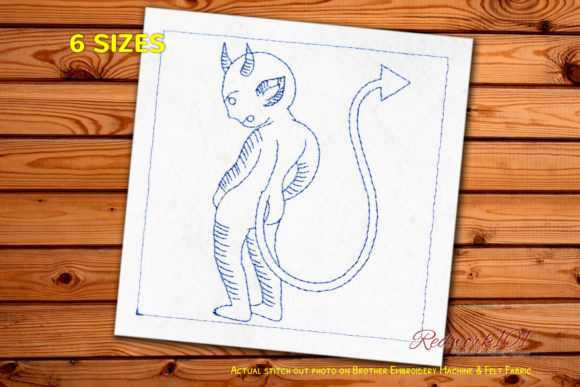
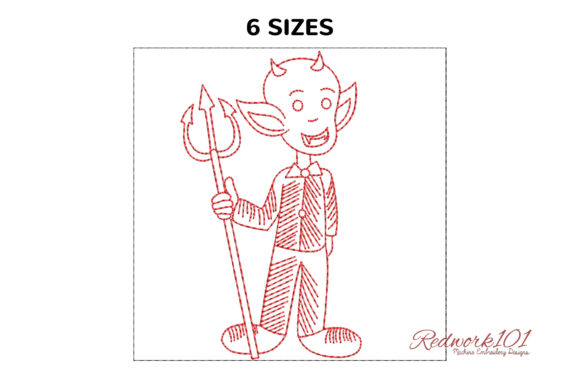
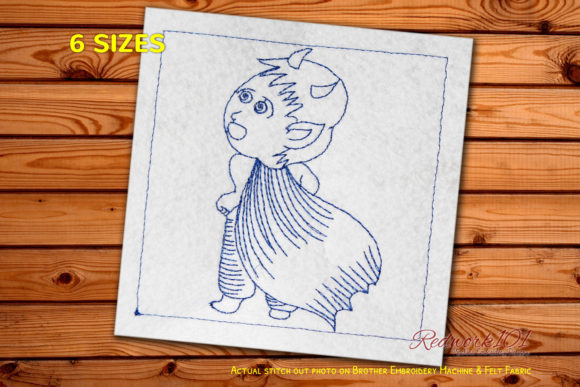
The initial visual impact of the Devil with Cape Bluework is striking yet refined. Unlike many seasonal motifs that lean heavily into cartoonish exaggeration, this design carries a sophisticated edge. The "Bluework" designation suggests a monochromatic or tonal palette, which immediately elevates the piece from a novelty item to a fashion statement. For a boutique brand looking to capture the Halloween market without sacrificing year-round wearability, this mood is perfect.
The layout appears balanced, with the cape providing dynamic flow that guides the eye across the silhouette. In terms of stitching personality, the design feels both playful and decorative. It avoids being overly rustic or too minimal; instead, it strikes a chord of bold femininity. When envisioning the finished product, I see a design that adds character to a garment without overwhelming the wearer. It is the kind of motif that encourages a second look, fostering customer engagement through its unique charm.
Fabric Pairings and Color Strategy
Selecting the right canvas is crucial for sweatshirt embroidery. I tested the conceptual placement of the Devil with Cape Bluework across several fabric types common in small shop products. On neutral sweatshirts, such as heather grey or oatmeal, the blue tones would pop beautifully, creating a crisp contrast that highlights the stitch definition. For dark fabrics like charcoal or midnight navy, the design would rely on thread sheen and texture to stand out, offering a more subtle, premium look suitable for evening wear or cozy autumn aesthetics.
Pastel colors present an interesting challenge and opportunity. A soft lavender or sage green hoodie paired with this design could create a whimsical, "pastel goth" vibe that is currently trending among younger demographics. However, one must be mindful of thread colors and contrast ratios to ensure the details remain visible. The description notes that "The Box Stitch shown in picture is optional," which is a vital detail for customization. If the outer box is a different color in the source file, skipping it allows the devil motif to breathe, making it ideal for oversized hoodies where negative space is part of the design language.
Placement Versatility for Boutique Collections
Versatility is key for maximizing the ROI of any embroidery file. The Devil with Cape Bluework shines in multiple placement scenarios:
- Hoodie Chest Placement: Centered on the left chest, the design acts as a subtle brand marker or lifestyle accent, perfect for daily wear.
- Sleeve Accents: Positioned on the forearm, it adds a surprising detail that enhances the perceived value of the garment.
- Back Designs: Scaled up, the flowing lines of the cape can serve as a striking back piece, especially on cropped jackets or zip-ups.
- Boutique Merchandise: Beyond apparel, this motif works well on tote bags or beanies, expanding the product line for an Etsy seller.
For lifestyle product photography and printable mockup creation, the distinct silhouette of the devil ensures high visual recognition even in thumbnail sizes. This is essential for driving clicks in crowded digital marketplaces.
Technical Considerations for Production
From a technical standpoint, producing the Devil with Cape Bluework requires attention to several variables to ensure commercial quality. While specific stitch counts and hoop dimensions are not provided in the base description, these are factors every commercial embroidery operator must verify before production. Always check the hoop size requirements to ensure the design fits your machine's capabilities, especially if planning large back placements.
Stitch density is another critical factor. Sweatshirt fabrics are thick and textured. If the density is too high, the design may become stiff or cause puckering. Conversely, if it is too low, the fabric texture might show through, reducing the premium feel. Given the "Bluework" style, which often relies on tonal shading, the digitizer likely used varied densities to create depth. Testing on a scrap piece of the actual garment fabric is non-negotiable.
Stabilizer choice will make or break the durability of this piece. For heavy fleece or French terry, a cut-away stabilizer is generally recommended to support the stitches over the life of the garment. Since this is intended for wearable apparel, washing durability is paramount. The design must withstand repeated laundering without significant thread breakage or distortion. Additionally, consider small-size readability. If you plan to scale the design down for pocket logos, ensure the fine details of the cape and facial features do not merge into a solid blob.
Enhancing Brand Identity and Value
Incorporating the Devil with Cape Bluework into a collection does more than just decorate a shirt; it builds brand identity. For handmade business owners and creative entrepreneurs, the choice of design assets reflects the brand's voice. This particular design signals that the brand is trendy, attentive to detail, and unafraid of seasonal themes executed with taste. It fosters buyer trust by demonstrating a commitment to high-quality design assets rather than generic clipart.
When customers see a well-executed embroidery job, they perceive higher value. The tactile nature of the stitches combined with the unique character of the devil motif can justify a higher price point compared to printed alternatives. It transforms a standard sweatshirt into a collectible handmade product. Furthermore, the optionality of the box stitch mentioned in the description allows for further customization, letting shop owners tailor the look to their specific audience—whether they prefer a framed, badge-like aesthetic or a free-floating graphic.
Final Verdict for Small Shop Owners
The Devil with Cape Bluework is a robust contender for any Halloween or autumn-themed embroidery project. Its strength lies in its adaptability and stylish execution. Whether you are an Etsy seller launching a spooky collection or a local decorator fulfilling custom orders, this design offers the flexibility needed for diverse applications. Just remember to verify the technical specs like file format and exact dimensions before hooping up. With the right fabric pairing and stabilizer strategy, this design has the potential to become a standout piece in your portfolio, driving both sales and social media shares for your small business.