Devil with Tail Redwork: A Designer's Review for Halloween Gifts
As an embroidery designer who spends countless hours testing digital files before they ever touch a customer's fabric, I approach every new machine embroidery design with a critical eye. Recently, I pulled the Devil with Tail Redwork from my library to see how it holds up for personalized gift products. In the world of handmade goods, especially during the spooky season, the difference between a cute novelty item and a cherished keepsake often comes down to the quality of the stitch and the thoughtfulness of the application. This review is written for my fellow crafters, Etsy sellers, and small shop owners who want to ensure their finished products bring joy rather than frustration.
First Impressions: Charm and Mood
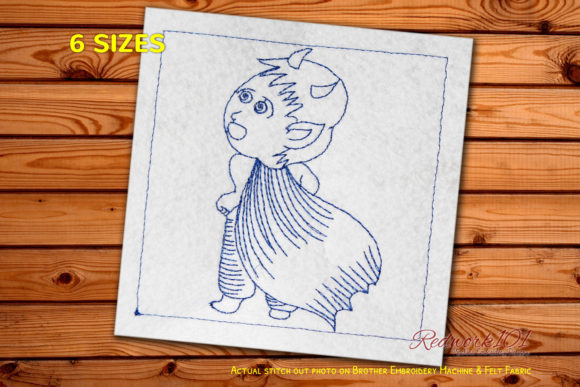
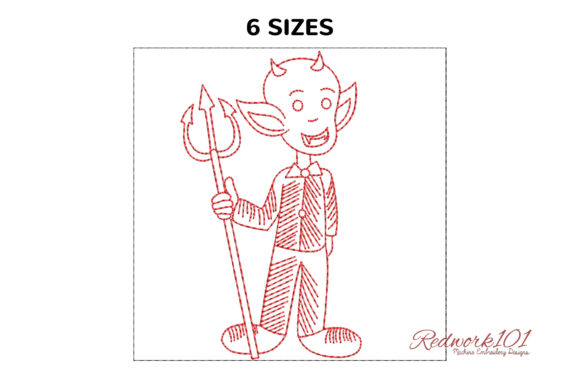
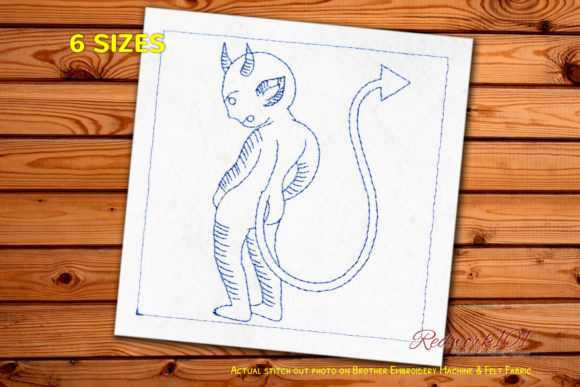
When I first loaded the Devil with Tail Redwork onto my screen, the immediate impression was one of playful mischief. Redwork, by its very nature, carries a nostalgic, vintage charm that feels incredibly handmade and warm. Unlike complex multi-color designs that can sometimes look too digital or stiff, this single-color approach offers a classic aesthetic that fits perfectly into modern farmhouse decor as well as traditional Halloween themes. The mood is not scary; rather, it is sweet and whimsical, making it an excellent choice for customers who want to celebrate the season without leaning into horror.
The detail level in this design strikes a balance that is crucial for commercial embroidery. It has enough character to be recognizable instantly, yet it avoids overly delicate lines that might get lost on textured fabrics. For a personalized gift, this emotional appeal is vital. It speaks to a sense of fun and tradition, likely attracting buyers looking for unique nursery items, kitchen accents, or quirky tote bags.
Versatility Across Product Lines
One of the strongest assets of the Devil with Tail Redwork is its adaptability. As a designer planning a fall collection, I can envision this embroidery file working across a wide range of products. For baby product creators, this design is a standout candidate for baby embroidery. Imagine a soft muslin blanket with this little devil stitched in a deep crimson thread; it becomes an instant heirloom. Similarly, for wedding gift designers who cater to couples with a sense of humor, this could be embroidered on a tea towel set or an apron for their first Halloween together.
For Etsy sellers and craft fair vendors, the potential applications are endless. This design shines on:
- Embroidered towels: Perfect for guest bathrooms or kitchen decor.
- Pillow covers: A quick way to update home decor for the season.
- Tote bags: Ideal for trick-or-treating or carrying pumpkin spice treats.
- Nursery decor: Adds a playful touch to a child's room without being overwhelming.
- Custom order previews: Great for showing clients how a monogram might pair with a seasonal motif.
The simplicity of the redwork style means it does not compete with other elements. If a customer wants to add a name or a date, this design leaves ample negative space for custom embroidery lettering, enhancing the perceived value of the handmade product.
Technical Considerations and Fabric Challenges
While the design is beautiful, professional execution requires attention to detail. There are specific scenarios where the Devil with Tail Redwork must be used carefully. First, consider the fabric texture. On thick terry cloth towels or highly textured linen, fine details can sometimes sink in or become distorted. I always recommend running a test stitch on a scrap piece of the exact material you intend to sell.
Another critical factor is the stitch density. Redwork typically uses a running stitch or a light satin stitch. If the density is too low, the fabric might show through on dark materials, ruining the crisp outline. Conversely, if the density is too high on stretchy baby clothes, the fabric may pucker after washing. When working with curved surfaces like hat panels or rounded pillow inserts, hooping technique becomes paramount to prevent shifting.
Regarding the product description note about the optional box stitch: "The Box Stitch shown in picture is optional. The color of outer Box is different color in most of the designs unless it is part of the design itself, you can skip the color directly in." This is a crucial instruction for customization. It implies flexibility. If you are stitching on a dark fabric, you might choose to omit the box entirely or change the thread color to ensure contrast. Always check your thread colors against your base fabric. A bright red on black cotton looks striking, but on a navy blue background, it might vibrate visually. Creating mockups on both light and dark fabrics before listing items is a best practice for any small shop product.
Essential Pre-Production Checklist
Before committing to a production run or fulfilling a custom order, I follow a strict protocol to ensure quality control:
- Test on scrap fabric: Never skip this step, especially with new files.
- Check thread color contrast: Ensure the red pops against your chosen material.
- Confirm hoop size: Verify the design fits your available hoop without resizing, which can alter stitch integrity.
- Review stitch density: Look for gaps or overcrowding in the tail and horns.
- Use proper stabilizer: Match the stabilizer weight to the fabric; cut-away is often safer for items that will be washed frequently.
- Inspect small details: Check the tip of the tail and the pitchfork after stitching to ensure no jumps or breaks.
- Confirm commercial licensing: Always verify the terms of the digital embroidery file before selling finished goods.
Impact on Giftability and Brand Trust
In the competitive market of personalized gifts, the finish of the product dictates customer trust. A clean, well-executed Devil with Tail Redwork signals professionalism. It tells the buyer that care was taken in every step of the process. This attention to detail enhances the giftability of the item. When a customer receives a pillow cover or blanket with crisp, intentional stitching, the emotional connection to the giver—and to your brand—is strengthened.
Furthermore, this design aids in product photography. The high contrast of redwork creates stunning images for social media and online listings. A clear, sharp image of the devil motif on a white tote bag or a cream-colored apron stops the scroll. For an Etsy seller, these visual assets are gold. They communicate the quality of the finished product before the customer even reads the description.
Ultimately, the Devil with Tail Redwork is more than just a Halloween decoration; it is a versatile tool for creating meaningful connections. Whether used for a wedding gift with a twist, a cozy blanket embroidery project, or a fun addition to a kitchen set, it delivers on charm and quality. By respecting the technical nuances of the file and understanding the needs of your specific customer base, you can transform this simple design into a best-selling item that stands out in the crowded marketplace of handmade goods. Remember, if specific details like exact stitch count or file formats are not explicitly provided in your download, always reach out to the creator or test thoroughly to ensure your commercial embroidery projects meet the highest standards.